Organic Coffee vs Coffee
THE IMPORTANCE OF ‘ORGANIC’ WHEN IT COMES TO COFFEE
Ok friends, it’s time to get down to business and talk about something seriously important. This has a strong impact on the quality of our health, especially when consumed regularly.
Over the past decade, organic foods have been at the forefront of both supermarket and health trends. But do we really need to take this into account when it comes to coffee? Isn’t regular coffee just as good as organic coffee? Let’s find out.

Pure Ingredients
Only clean, organic, chemical-free beans.

Honest Sourcing
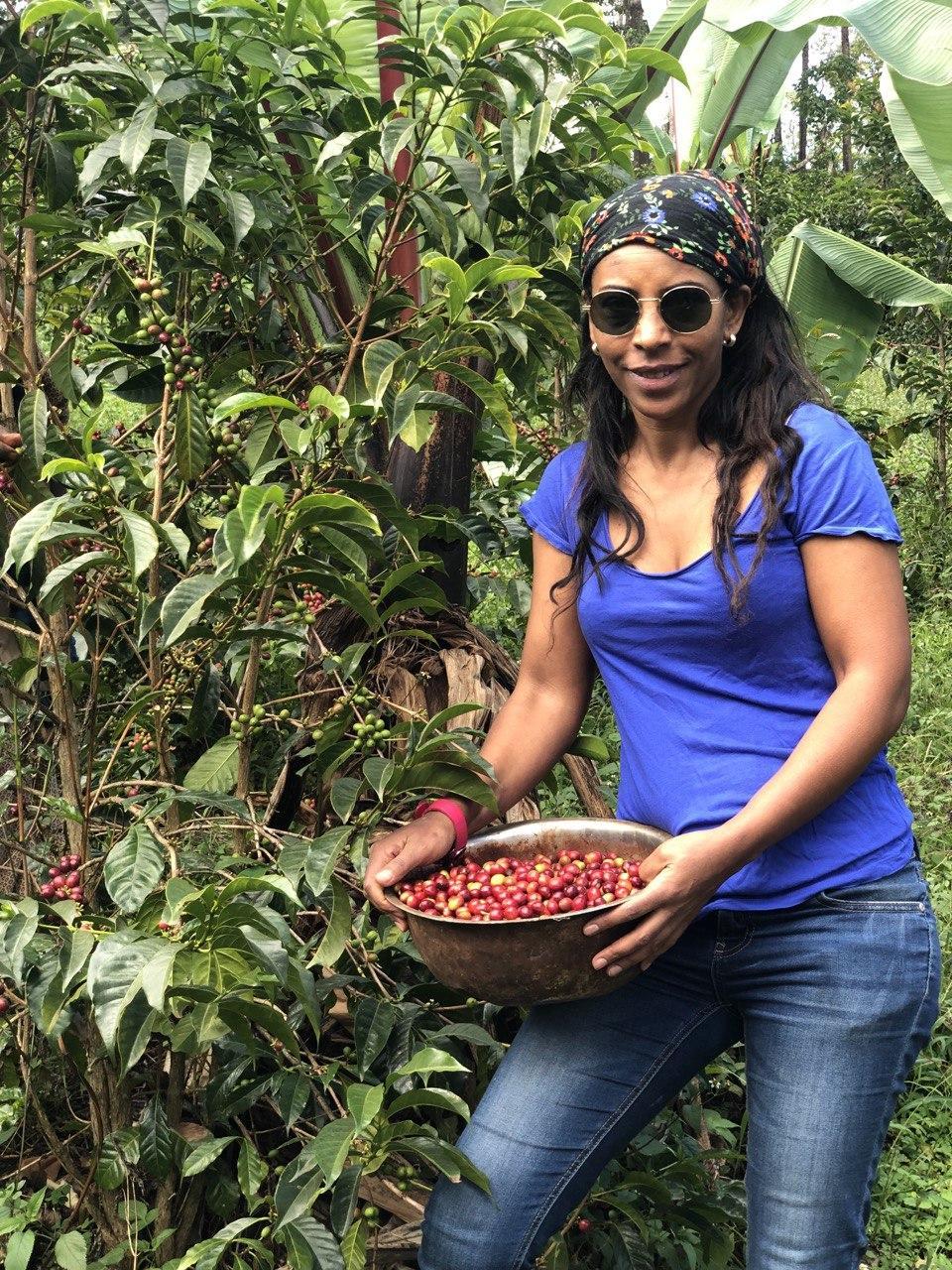
Ethically harvested from trusted Ethiopian farmers.

Superior Freshness
Freshly roasted and packed to preserve aroma.

Healthier Coffee
Rich in antioxidants for a clean, smooth cup.

ASTERO'S COFFEE
WHAT IS ORGANIC COFFEE?
Coffee can be considered organic if it is grown without the use of chemical-based fertilizers, synthetic fertilizers, pesticides, or genetically modified organisms (GMOs). There’s a quote: “You are what you eat, so don’t be quick, cheap, easy or wrong.” This couldn’t be truer when it comes to your coffee.
If you don’t want to drink a cup of coffee that has been exposed to pesticides, herbicides, fungicides and harmful fertilizers, organic coffee is a safe way to ensure a clean coffee experience while protecting the environment.
Some may argue that the organic market is just a fad and that food and beverages around the world must maintain a certain level of quality in order to be sold, making the organic label a scam. On the other hand, it could also be said that food and beverage regulations are not created equally across the world, reinforcing the need for organic products and products overall.
In any case, we think it’s better to be safe than sorry. You wouldn’t drink a glass of water if you knew that drinking water had been exposed to pesticides. So why should you take the risk with your coffee? There’s a quote: “You are what you eat, so don’t be quick, cheap, easy or wrong.” This couldn’t be truer when it comes to your coffee.


ASTERO'S COFFEE
Is organic coffee healthier?
With over 200 pesticides used on conventionally grown coffee crops, non-organic coffee is one of the most chemically treated crops of any agricultural commodity in the world.
Farmers then have to spray large amounts of pesticides and insecticides directly onto the coffee beans, which inevitably end up in the beverages people drink every day. Through this process you can see that this is not only harmful to health but also toxic to the farmers who grow the coffee.
When it comes to conventional coffee, there are two health groups that are affected by the growing process. The first are the people who pick and handle the coffee cherries during the farming and processing phases. The second is you, the consumer.
If you followed our last article about Jacu bird coffee, you learned that the chemicals involved in growing non-organic coffee are extremely dangerous for workers. Additionally, they can cause both short-term and long-term health illnesses to both coffee farmers and us as consumers.
ASTERO'S COFFEE
Organic Coffee vs. Regular Coffee: What’s the Real Difference?
What truly sets organic coffee apart from regular (non-organic) coffee—and which one comes out on top? Is conventional coffee really that harmful?
The key differences aren’t always visible in the final cup. They lie deep within the agricultural process—how the coffee is grown, treated, and nurtured from seed to harvest.
How Organic Coffee Is Grown
Organic coffee farming prioritizes the health of the environment, the farmer, and the consumer at every stage of production.
Organic farmers rely on natural fertilizers, often made from coffee pulp or animal manure, to enrich the soil. Instead of synthetic chemicals, they manage weeds and pests using environmentally friendly methods such as:
Manual weeding
Natural flame weed control
Grazing animals
Other sustainable, low-impact techniques
These methods protect soil quality, preserve biodiversity, and reduce harmful exposure for farm workers and nearby communities.
How Conventional Coffee Is Grown
In contrast, non-organic coffee farming depends heavily on chemical intervention. The process typically includes:
Soil fumigation to eliminate natural organisms
Petroleum-based chemical fertilizers
Seeds treated with insecticides and fungicides
Chemical additives in irrigation systems
Herbicides sprayed to control weeds
While these practices may increase short-term yields, they can negatively affect soil health, ecosystems, and long-term human well-being.

Pure Ingredients
Only clean, organic, chemical-free beans.

Honest Sourcing
Ethically harvested from trusted Ethiopian farmers.

Superior Freshness
Freshly roasted and packed to preserve aroma.

Healthier Coffee
Rich in antioxidants for a clean, smooth cup.

ASTERO'S COFFEE
What makes organic coffee better than regular coffee?
When comparing these growing processes side by side, it is hard to deny the vast difference in the way these coffee crops are grown. Not only does this have a huge impact on our environment, but it can also have irreparable consequences for our bodies.
Although conventional coffee maintains its health benefits with the use of pesticides, organic coffee beans contain more nutrient-dense antioxidants. Some people even claim they can taste the difference!
Ultimately, it’s important to know how your coffee is grown. We all want to buy coffee that is responsibly sourced. Ensuring your organic products are genuine by checking to see if they are certified organic will guarantee the highest form of organic integrity.
ASTERO'S COFFEE
Is Organic Coffee Necessary?
In short, yes.
I want to consider the significantly better taste here in passing
The health effects of the numerous pesticides and chemicals used in conventional coffee cultivation (97%) as well as the ecological and humanitarian consequences are so serious that there is an urgent need to rethink our society regarding conventional coffee and pave the way for organic coffee should become the new standard.